

Antibiotics are powerful medications that have saved countless lives by fighting bacterial infections. However, while antibiotics can be essential for treating illnesses, they don’t discriminate between harmful and beneficial bacteria. This can lead to disruptions in the delicate balance of your gut microbiome, resulting in various digestive and overall health issues. If you’ve recently completed a course of antibiotics, you might be wondering how to restore gut health after antibiotics and regain balance.
In this blog post, we’ll explore the importance of a healthy gut, how antibiotics affect the gut microbiome, and actionable steps you can take to support how to restore gut health after antibiotics.
Why Gut Health Matters
Your gut is home to trillions of bacteria, viruses, and fungi, collectively known as the gut microbiome. These microorganisms play a critical role in digestion, immune function, inflammation control, and even mental health. Maintaining this delicate balance is essential for overall wellness, which is why knowing how to restore gut health after antibiotics is crucial after you’ve taken these medications.
When your gut microbiome is in balance, your body functions more smoothly. However, antibiotics can disrupt this balance, leading to digestive issues, weakened immunity, and systemic inflammation.
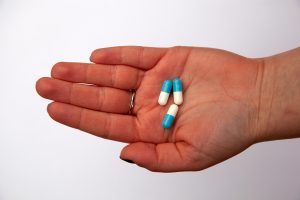
How Antibiotics Affect the Gut
Antibiotics work by killing bacteria that cause infections, but they also wipe out beneficial bacteria in your gut. This reduction in healthy gut bacteria can lead to dysbiosis, where harmful bacteria thrive and create digestive symptoms like bloating, diarrhea, or constipation. Knowing how to restore gut health after antibiotics is key to minimizing these side effects and preventing long-term gut issues.
Dysbiosis can also weaken your immune system and increase inflammation, making your body more susceptible to infections and diseases. Fortunately, there are several effective ways to rebuild your gut health after antibiotics.
How to Restore Gut Health After Antibiotics
1. Take Probiotics
- Probiotics are live microorganisms that can help replenish beneficial bacteria in your gut. After a course of antibiotics, taking probiotic supplements or consuming probiotic-rich foods is one of the most effective ways to restore gut balance.
- Look for probiotic supplements containing strains like Lactobacillus and Bifidobacterium, which are known for their gut health benefits.
- Probiotic-rich foods include yogurt, kefir, sauerkraut, kimchi, miso, and kombucha. These fermented foods introduce healthy bacteria into your gut, supporting the re-establishment of balance.
2. Consume Prebiotics
- Prebiotics are non-digestible fibers that feed the good bacteria in your gut, helping them grow and thrive. Incorporating prebiotic-rich foods into your diet is crucial after antibiotics, as they help fuel the probiotics you’re consuming.
- Foods high in prebiotics include garlic, onions, leeks, asparagus, bananas, oats, and legumes. These fibers travel to your gut, where they promote the growth of beneficial bacteria.
3. Eat a Diverse, Whole Foods Diet
- A diverse diet filled with whole, plant-based foods provides your gut with the nutrients it needs to function optimally. Include a variety of vegetables, fruits, whole grains, nuts, seeds, and legumes in your meals to ensure that your gut bacteria have a broad range of nutrients to feed on.
- Fiber is particularly important for gut health, as it encourages the growth of beneficial bacteria and helps maintain regular digestion. Aim to consume 25–30 grams of fiber per day from various sources to support gut restoration.

4. Avoid Processed Foods and Sugars
- Processed foods and sugars can feed harmful bacteria and yeast in your gut, further worsening the imbalance caused by antibiotics. After completing a course of antibiotics, try to minimize your intake of refined sugars, processed snacks, and fast foods.
- Instead, focus on whole, unprocessed foods that are rich in nutrients and support healthy gut bacteria. The cleaner your diet, the easier it will be for your gut to recover and restore its natural balance.
5. Stay Hydrated
- Drinking enough water is essential for maintaining a healthy gut. Water helps to keep your digestive system moving, flushes out toxins, and promotes the absorption of nutrients.
- Aim for at least 8 cups of water per day, and consider drinking herbal teas like chamomile or peppermint, which can soothe the digestive tract and support gut health.
6. Manage Stress
- Chronic stress can negatively affect your gut microbiome, leading to further imbalances. The gut and brain are closely connected, and high stress levels can worsen digestive issues and inhibit the restoration of gut health after antibiotics.
- To reduce stress, consider engaging in relaxation techniques such as meditation, yoga, deep breathing exercises, or journaling. These activities can help lower cortisol levels and promote a healthier gut environment.
7. Get Enough Sleep
- Quality sleep is crucial for overall health, including the restoration of your gut microbiome. A lack of sleep can disrupt the balance of gut bacteria and weaken your immune system, making it harder for your body to recover from antibiotic use.
- Aim for 7–9 hours of sleep per night to give your body and gut the rest they need to heal and rejuvenate.
8. Limit Alcohol and Caffeine
- Both alcohol and excessive caffeine can irritate the gut lining and disrupt the balance of gut bacteria. After antibiotics, it’s wise to limit your consumption of alcohol and coffee to give your gut the best chance of healing.
- If you enjoy a daily cup of coffee, try switching to green tea, which contains beneficial polyphenols that can support gut health. Similarly, consider cutting back on alcohol or opting for non-alcoholic alternatives.
9. Consider Postbiotic Support
- Postbiotics are the byproducts of probiotic fermentation, and they play an important role in gut health. Some supplements now offer postbiotic support, which may help strengthen the gut lining, reduce inflammation, and support overall gut function.
- Consult with a healthcare provider to determine if postbiotic supplements could be beneficial for you as you work to restore gut health after antibiotics.
Conclusion
Antibiotics are often necessary for treating infections, but they can leave your gut in a vulnerable state. Restoring gut health after antibiotics requires a combination of strategies, including consuming probiotics and prebiotics, eating a diverse whole foods diet, managing stress, staying hydrated, and making lifestyle adjustments like reducing alcohol and caffeine intake.
By prioritizing your gut health and implementing these steps, you can help your gut microbiome recover, reduce the risk of digestive issues, and support your overall well-being. Remember, healing your gut is a gradual process, so be patient and consistent in your efforts. With time and the right approach, you can restore balance to your gut and improve your health from the inside out.
More Blog Posts You Might Like
If you enjoyed this blog post on how to restore gut health after antibiotics use, then you should also check out these posts on the blog.
- What is the Difference Between Probiotics and Prebiotics
- The Importance of Gut Health: Why It Matters
- Gut Dysbiosis Treatment: Balancing Your Microbiome
